Project
项目
Affiliation: Dynamical Systems Group
Role: Protocol & Systems Design, Software Development
Source:
koi-net
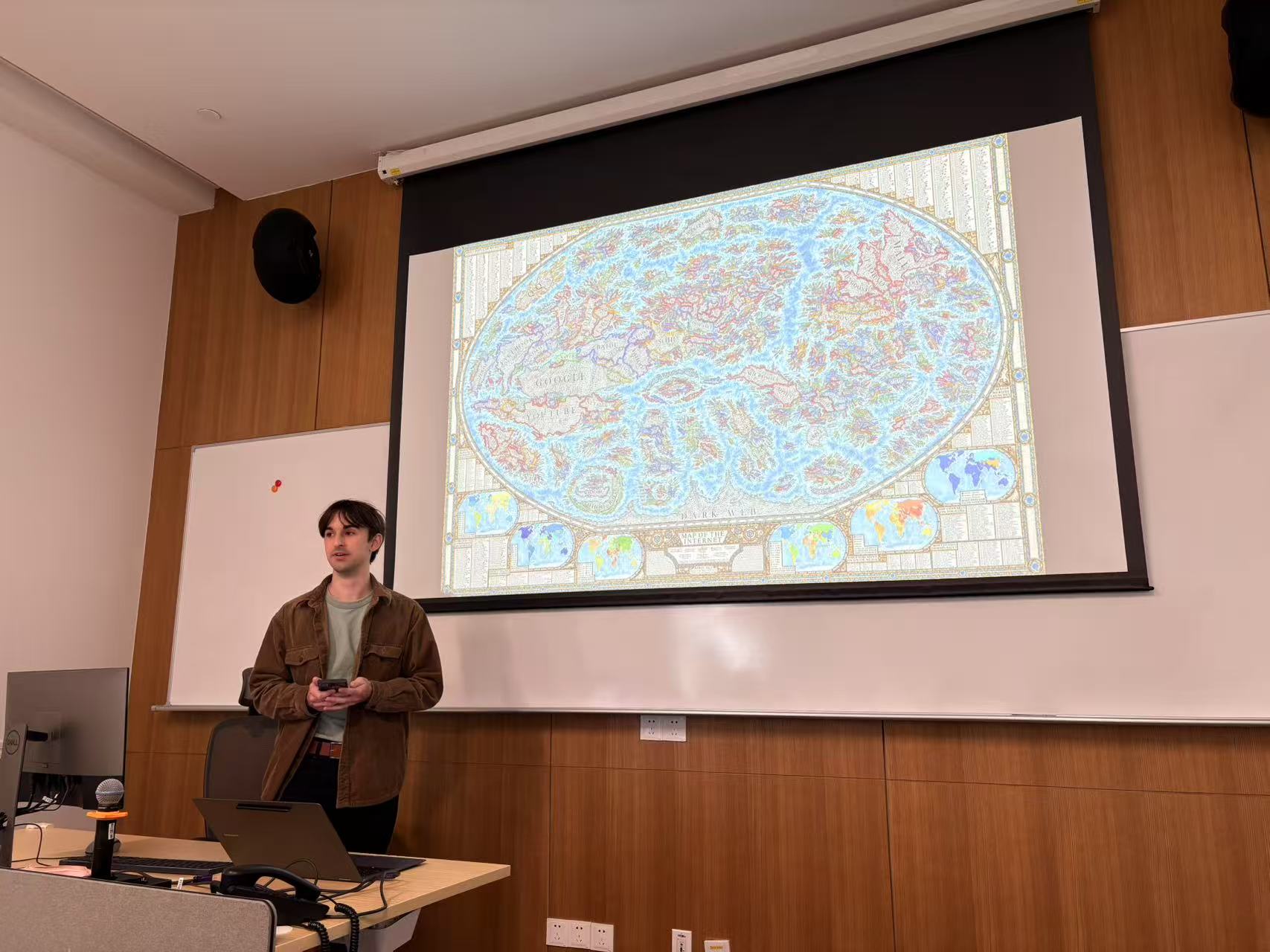
KOI-net is a protocol and framework for building distributed knowledge processing networks to preserve, exchange, and make legible data within and across organizations.
Presentations:
Affiliation: Metagov, Royal Melbourne Institute of Technology
Role: Systems Design, Software Development
Source: telescope-koi-network
Telescope is a participatory tool which assists ethnographic researchers in creating datasets and automating the consent approval process within online communities.
Presentations:
Affiliation: Independent
Role: 3D Modeling & Animation, Graphic Design, Commerce & Distribution
Strangebug is my artist handle where I post 3D renders and animations, as well as monthly prints through my postcard club.
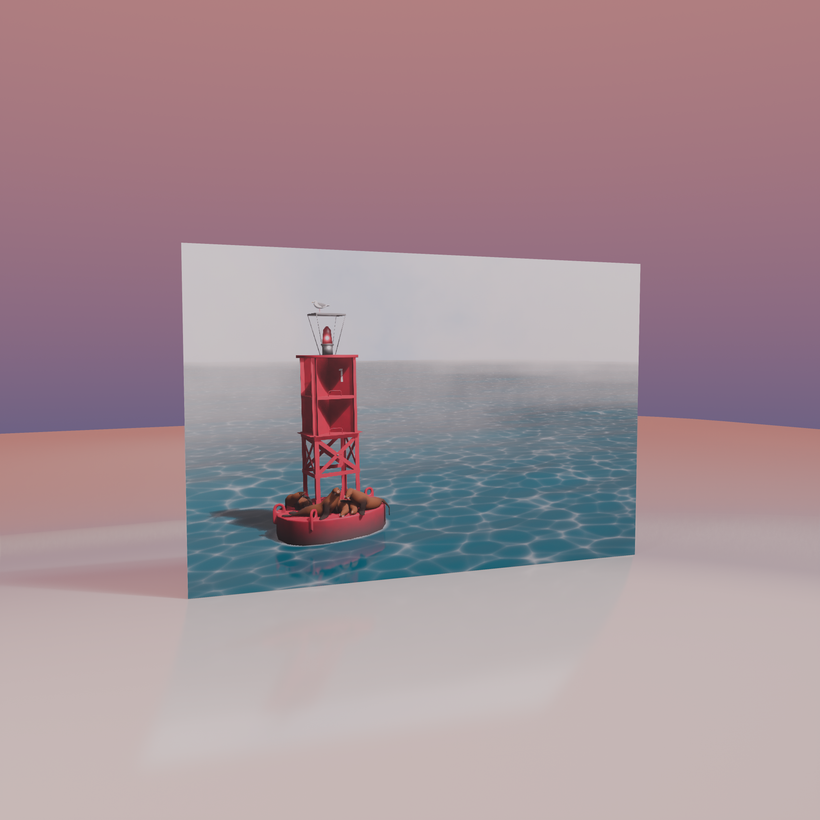
Check out my Instagram to see my work, or my Patreon for the postcard club!
Affiliation: Metagov
Role: Systems Design, Software Development
Ask Metagov is a KOI-powered tool, enabling Metagov community members to surface questions, ideas, and prompts for other members to engage with, and capture responses to collectively build knowledge.
Check out the tutorial video below, or the Ask Metagov Onboarding Guidelines to see how it works!
Affiliation: Independent
Role: Hardware Design, Fabrication,
Microcontroller Programming
Materials: Cardboard, Hot Glue, ESP32,
e-Ink Display & Driver Board
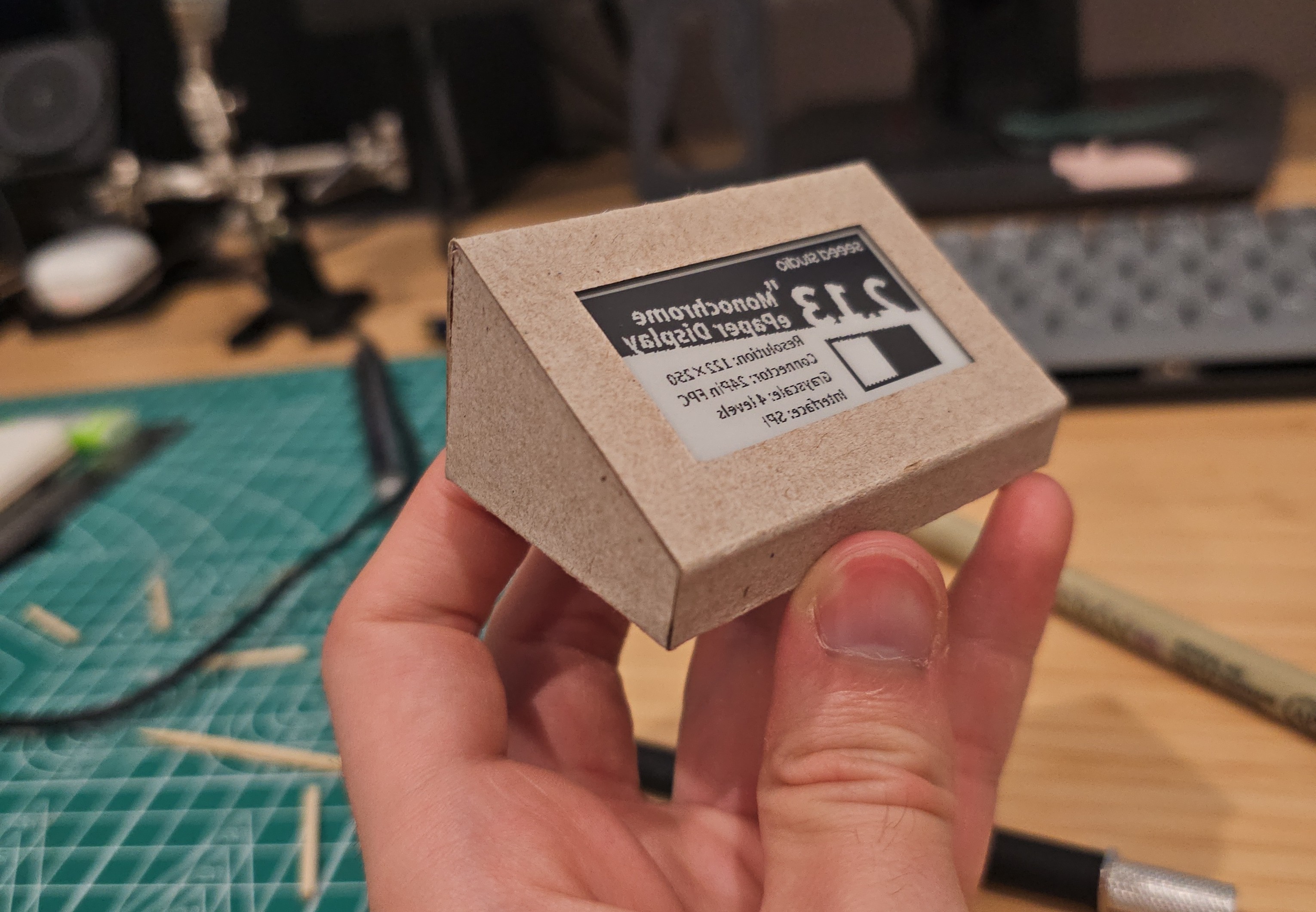
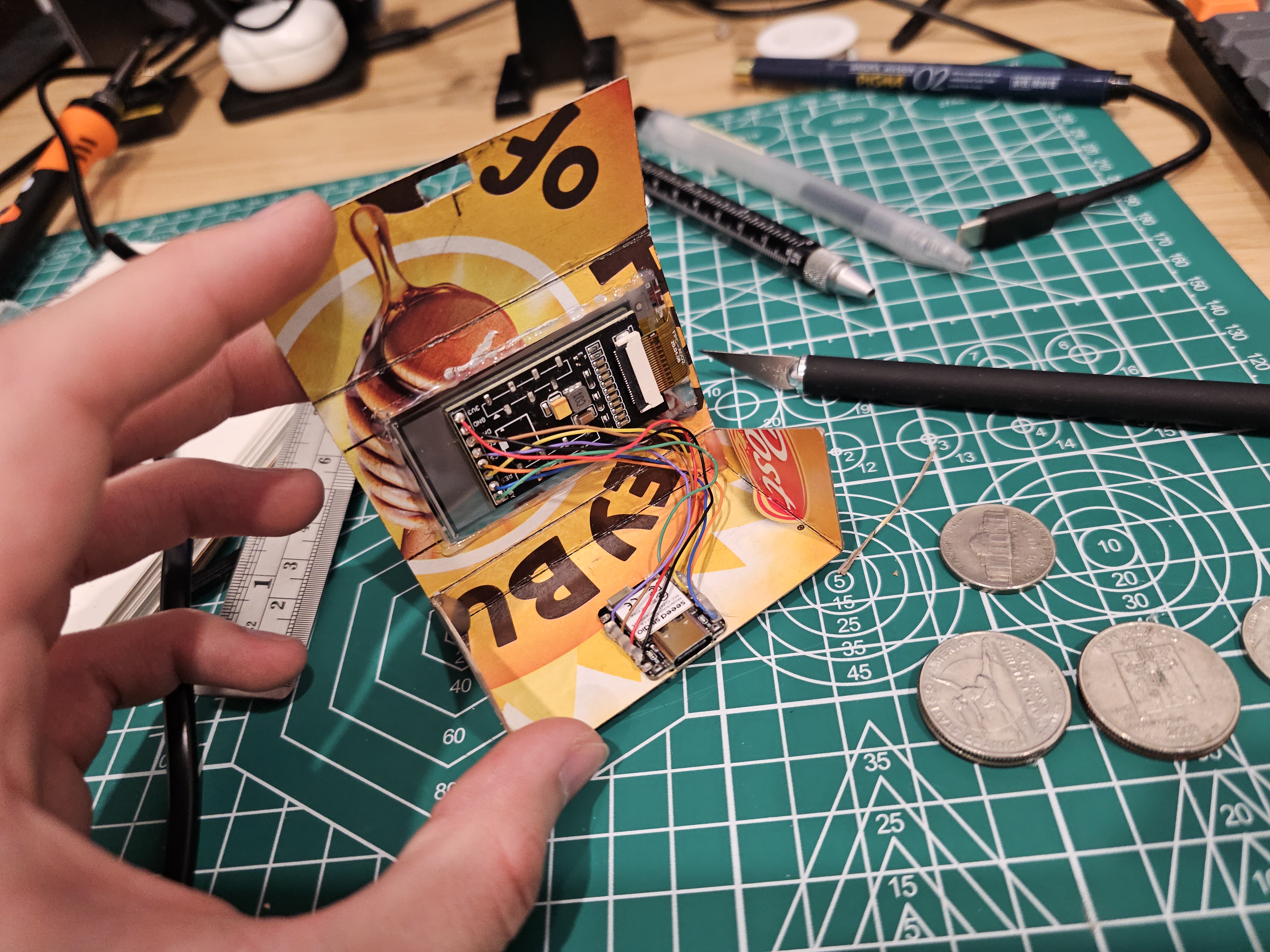
The message box is a passive technology allowing long-distance partners or friends to send each other drawings and messages on a physical e-paper display.
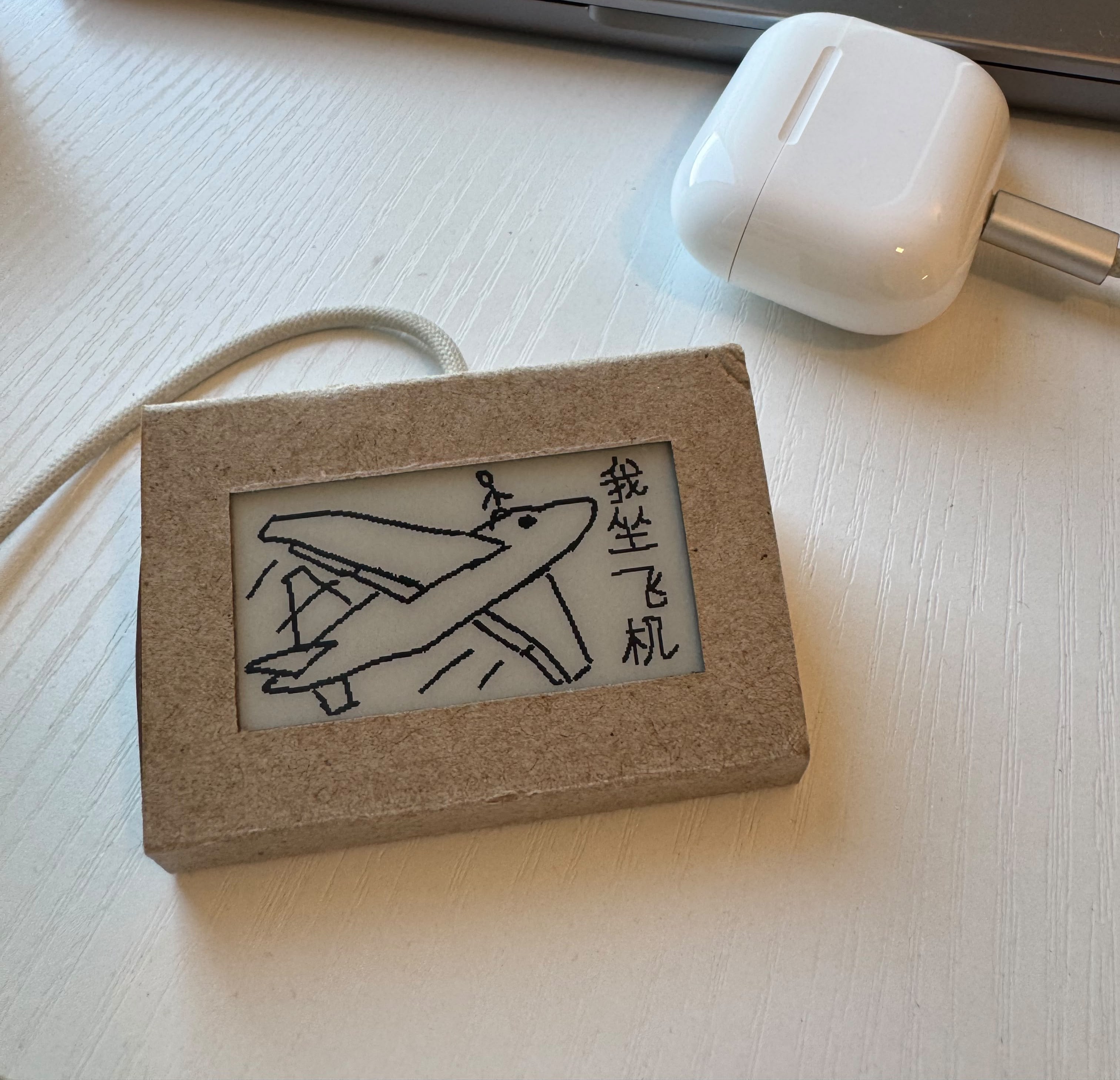
An internal ESP32 microcontroller wirelessly receives new bitmap images when they are uploaded, refreshing the e-paper display.
Affiliation: Dynamical Systems Group, SciOS
Role: Systems Design, Software Development
Source: koi-net-mira-prototype
MIRA is an open architecture for collaborative graph-based scientific research. KOI-net provided the interoperable layer for a prototype deployment, connecting data flows between multiple tools in the ecosystem.
Affiliation: Independent, SciOS
Role: Systems Design Consulting
I worked with SciOS to provide systems design consulting to the Quantum Biology Institute, developing a system for storing, synchronizing, and publishing scientific data generated by the lab.
Affiliation: Metagov
Role: Systems Design, Software Development
Source: koi-api, kms-tools
KOI Pond was a retrieval-augmented generation (RAG) chatbot deployed in Metagov's Slack. As a precursor to KOI-net, it managed multiple flows of knowledge from the community to maintain up-to-date context when answering questions about Metagov.
Presentations:
Affiliation: Independent
Role: Hardware Design, Fabrication,
Microcontroller Programming
Materials: Wood, Cardboard, Paper, Hot
Glue, ESP8266, RGB LED, Haptic Motor, Push Button
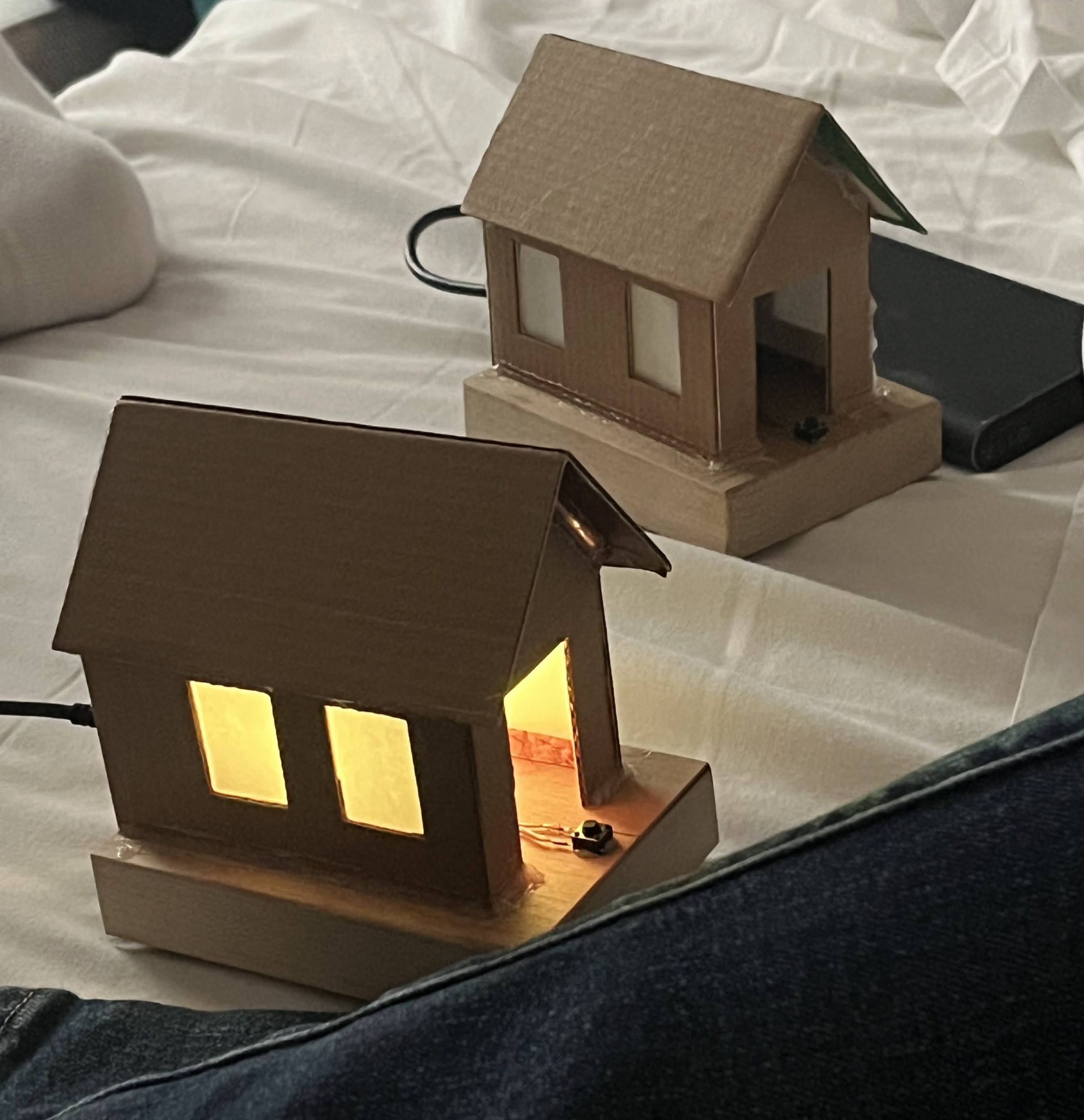
This set of paired houses provides a connection between long-distance partners, ambiently indicating when the other partner is awake or asleep, providing a countdown until the next reunion, and transmitting a haptic buzz with a button press.
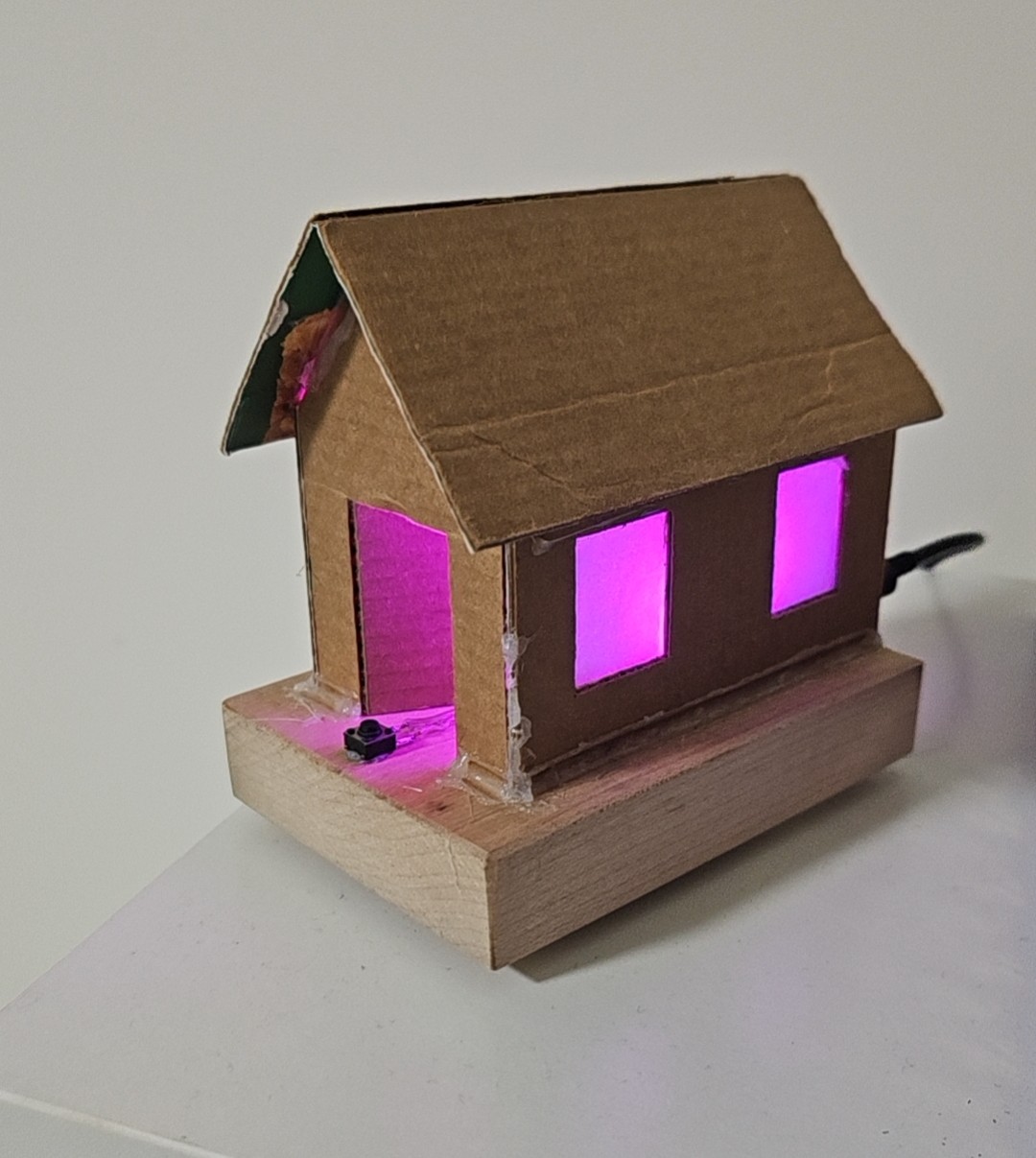
Each house has single button for input, which can be used to perform several actions.
Affiliation: Independent, DWeb Camp 2023
Role: Systems Design, Software Development
Source: dweb-of-community
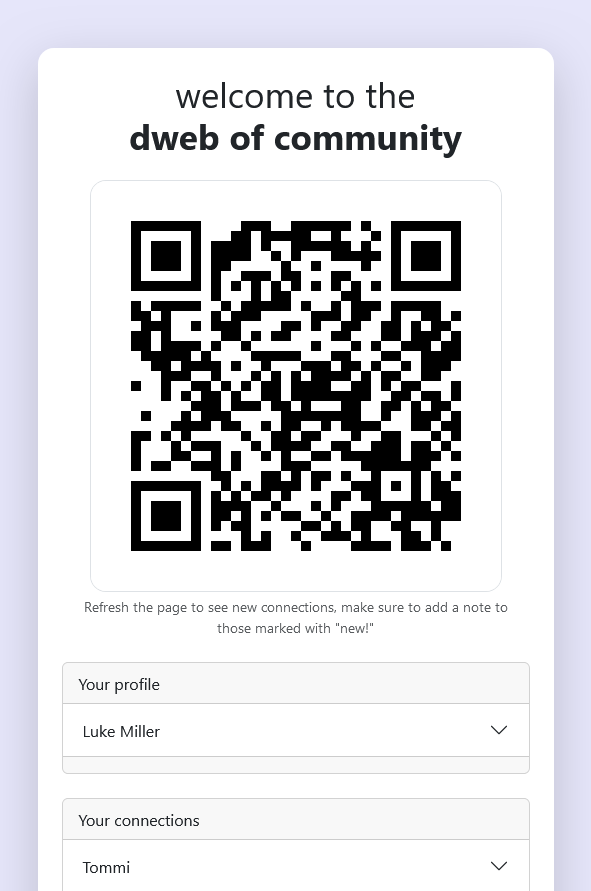
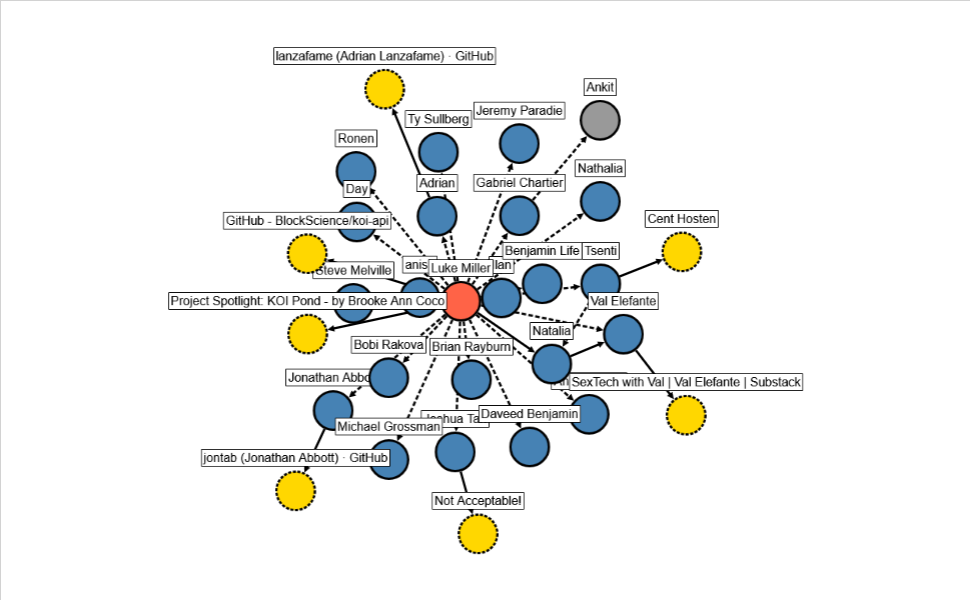
Web of Community is an interactive networking app allowing users to exchange contact info by scanning another user's QR code. New users are automatically onboarding, with each connection becoming part of a live graph visualization.
Presentations:
Affiliation: Independent, DWeb Camp 2022
Role: Systems Design, Software Development, Graphic Design
Source: boxquest
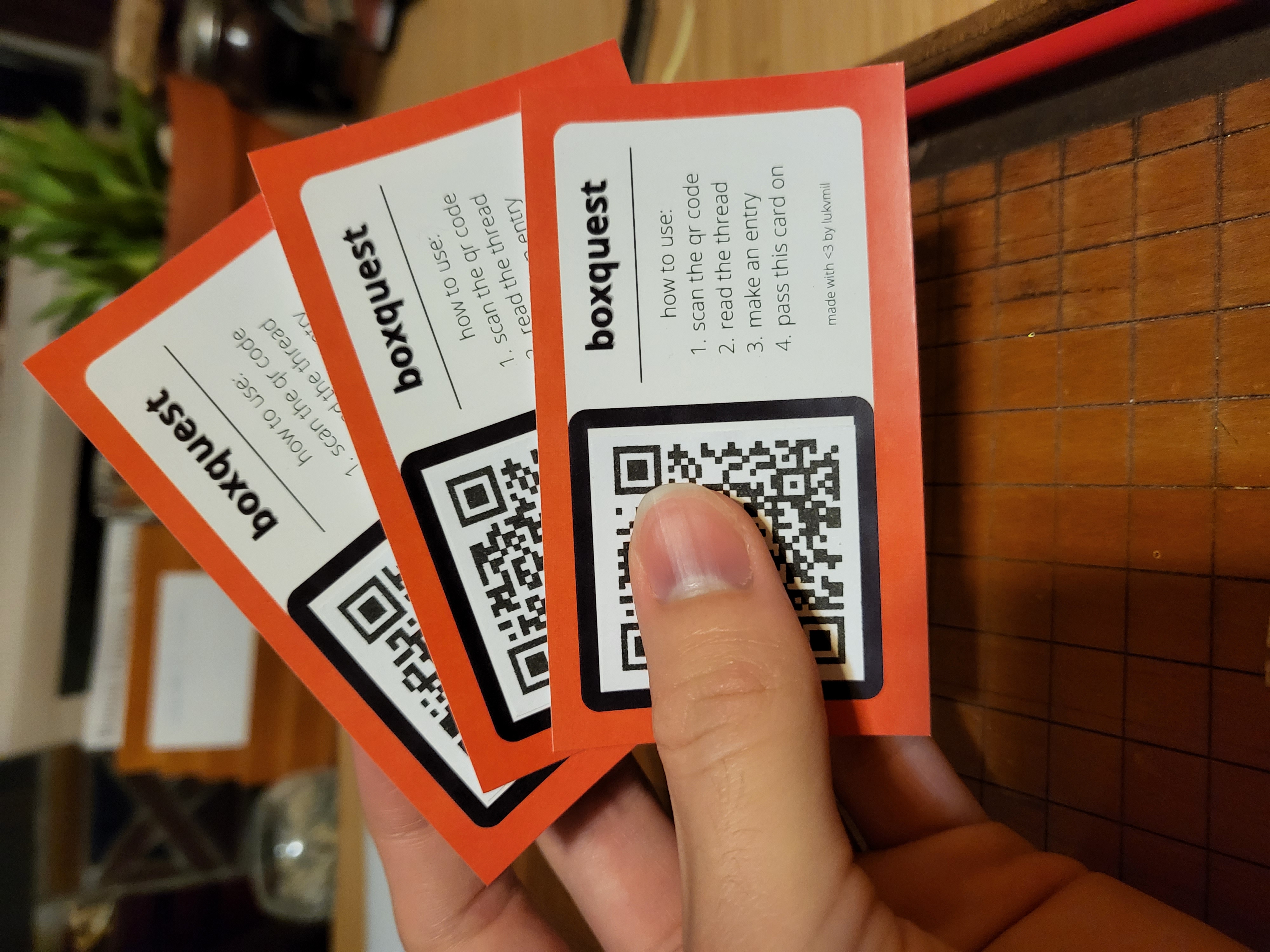
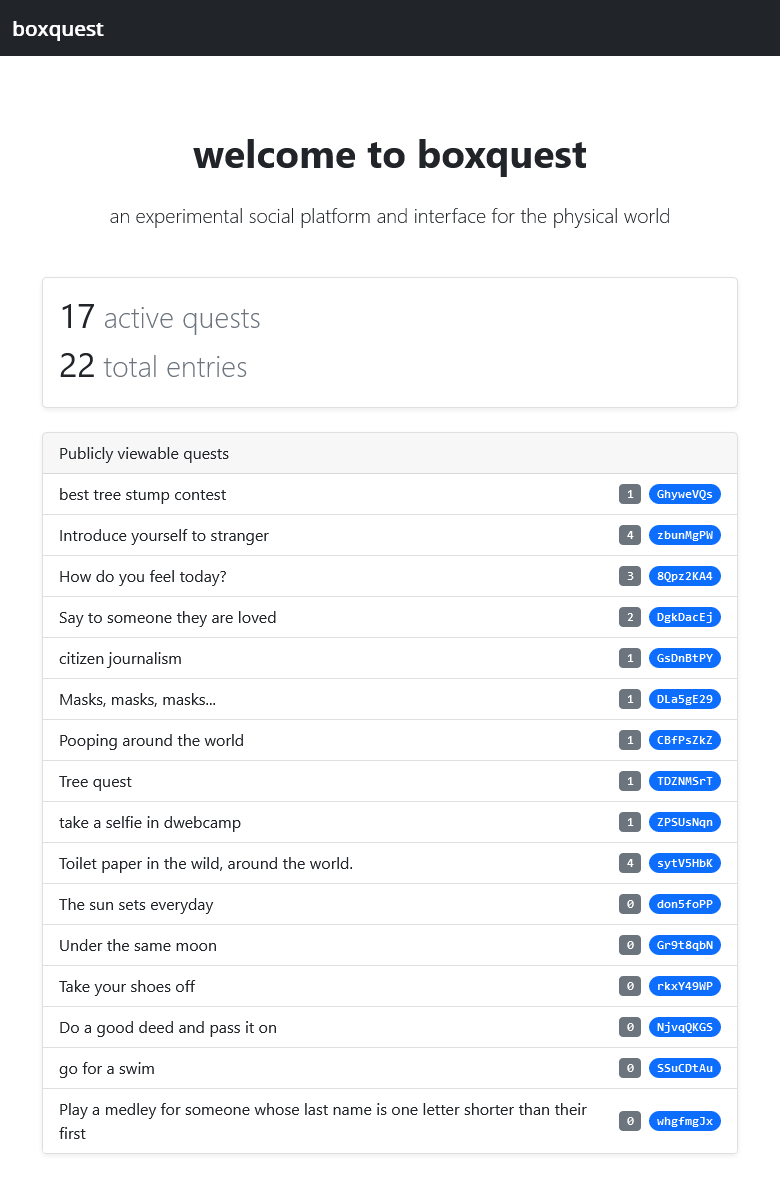
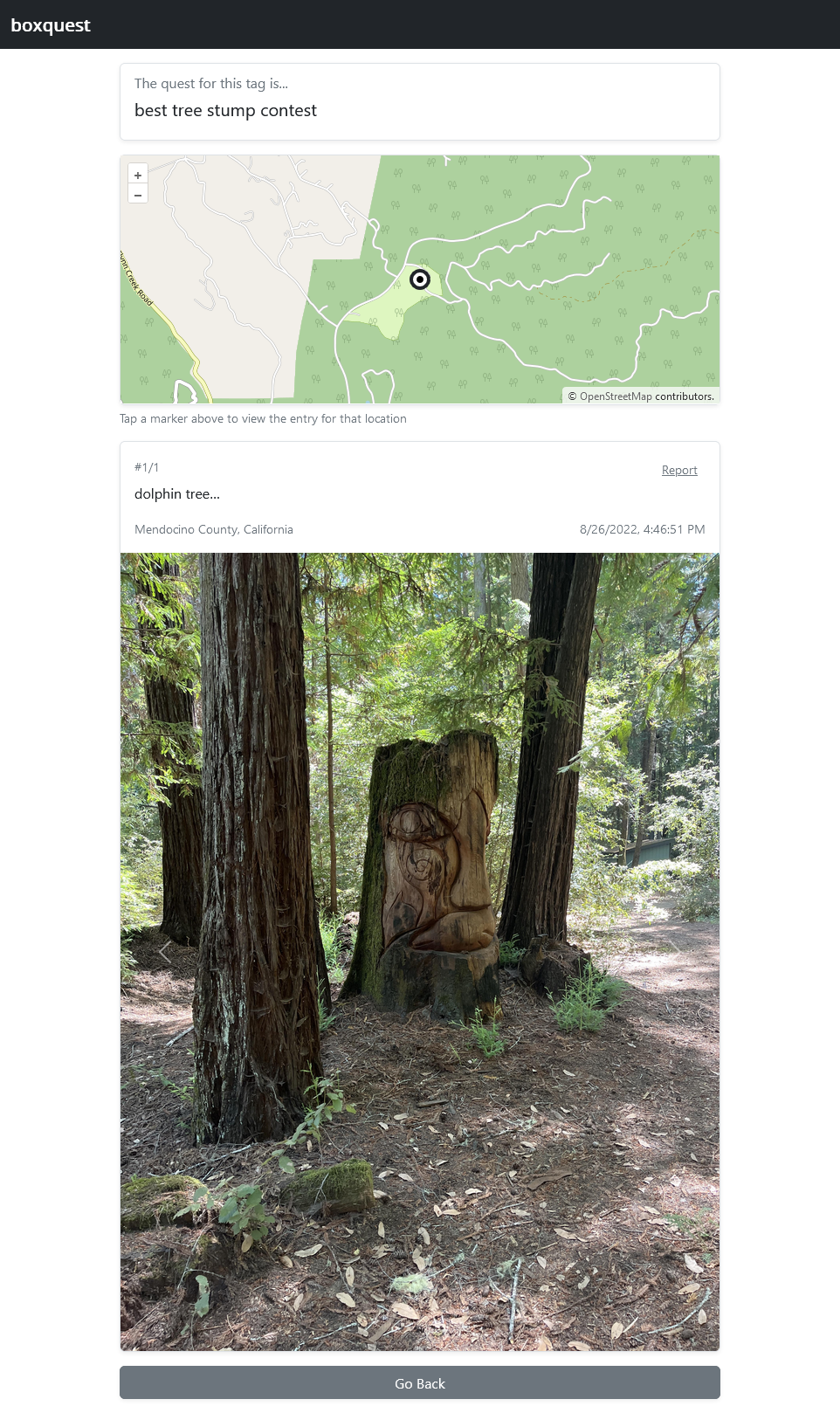
BoxQuest is a social technology where conversations play out across physical cards: when scanned, users add an entry with a message, picture, and location, mapping the journey a card takes as it moves throughout the world.
Affiliation: Metagov, Media Economies Design Lab
Role: Systems Design, Software Development
Source: modpol
The Modpol Minetest mod is an implementation of Modular Politics, a system of nestable modules capable of representing a wide range of political systems, used to govern in-game actions.
Affiliation: Metagov
Role: Research, Systems Design, Software Development
Source: agreementengine
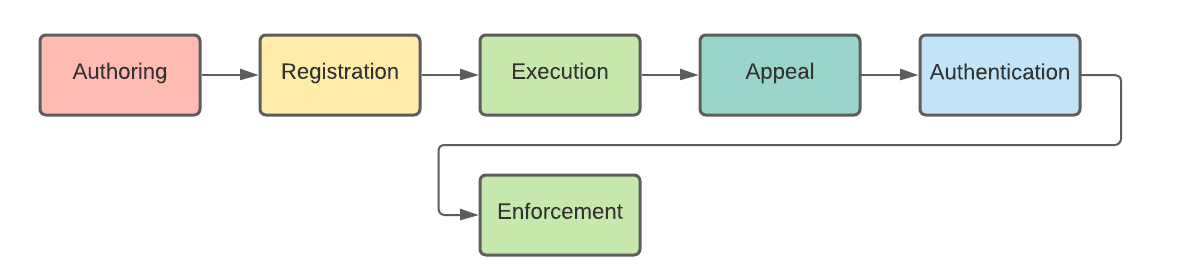
Agreement Engine is a model for representing and simulating complex multi-step agreement systems. Findings published in MIT Computation Law Report.
Presentations:
Publications:
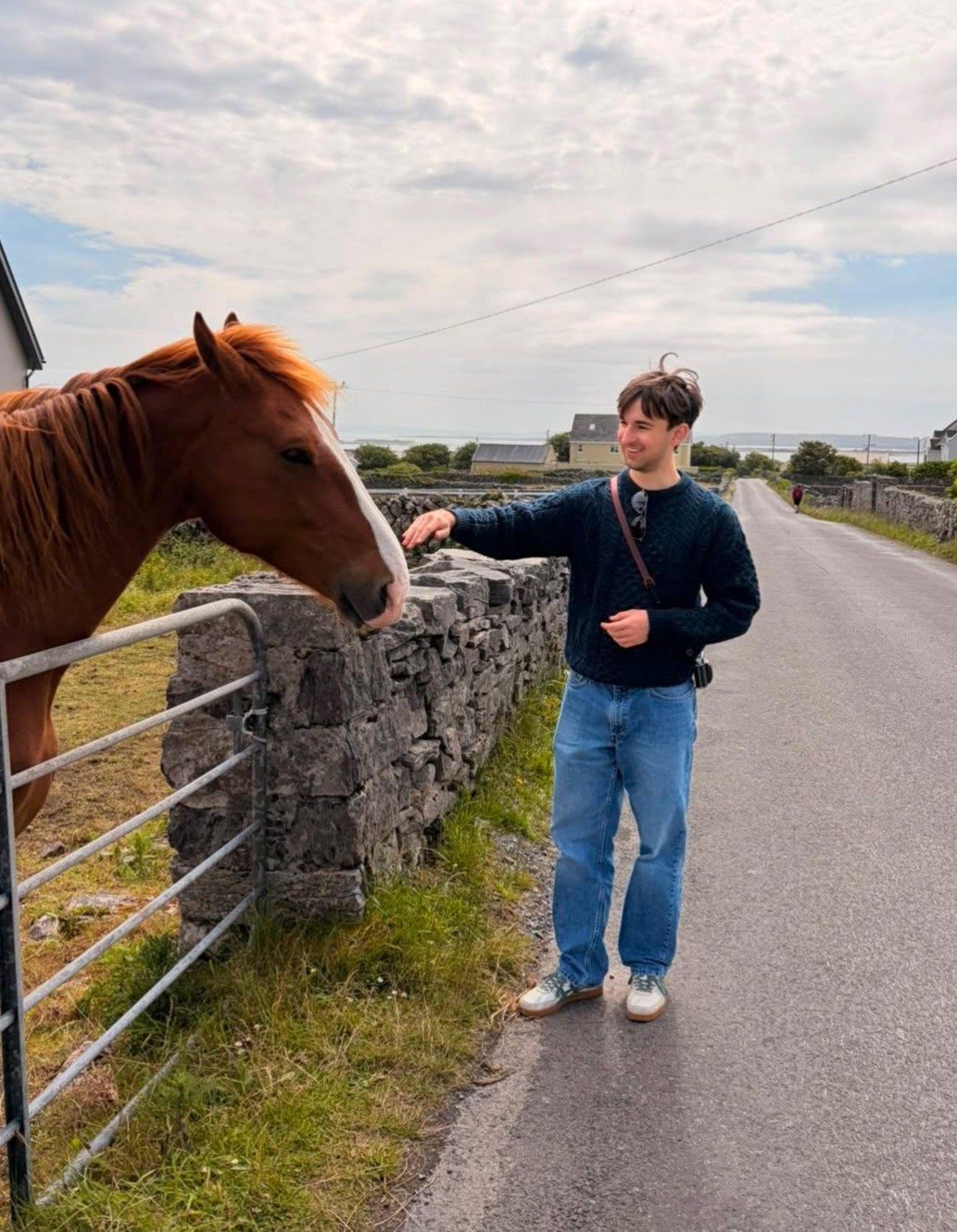
Hi, I'm Luke :)
I am a creative technologist + designer + engineer + artist based in Astoria, NYC!
嗨!我叫米禄科 :) 我是一位创意技术家,设计师,工程师,和艺术家住在阿斯托里亞,纽约市。
I graduated from the University of Notre Dame in 2024 with dual bachelor's degrees in Computer Science and Chinese. Afterwards, I moved to Shanghai where I completed a year-long Chinese language program at the East China Normal University. In 2025, I came back to the states and moved to New York City, where I've been living ever since.
我2024年从圣母大学毕业了,取得了双计算机科学和中文的学士。后来,我搬到上海来完成华东师范大学的一年的中文语言项目。在2025年我回国了,搬去了纽约市,至今住在这里。
I am currently a researcher and community team member at Metagov. I was previously a research engineer at BlockScience (d.b.a Dynamical Systems Group).
我现在在Metagov当研究者和社区团队成员。以前我在BlockScience(d.b.a Dynamical Systems Group)当研究工程师。
I am interested in many things, but here are a few common threads in my work:
我对不少事情感兴趣,这是一些对我工作共同的话题:
My past work includes systems design, software engineering, protocol development, hardware prototyping, graphic design, and 3D modeling & animation.
I am grateful to have had the opportunity to collaborate with many wonderful people, including Ellie Rennie, Lee DeSota, Nathan Schneider, Michael Zargham, and Joshua Tan.
Designed and built by me :)